
Titanic (1953)
Revisiting the film that turned Titanic into a domestic melodrama

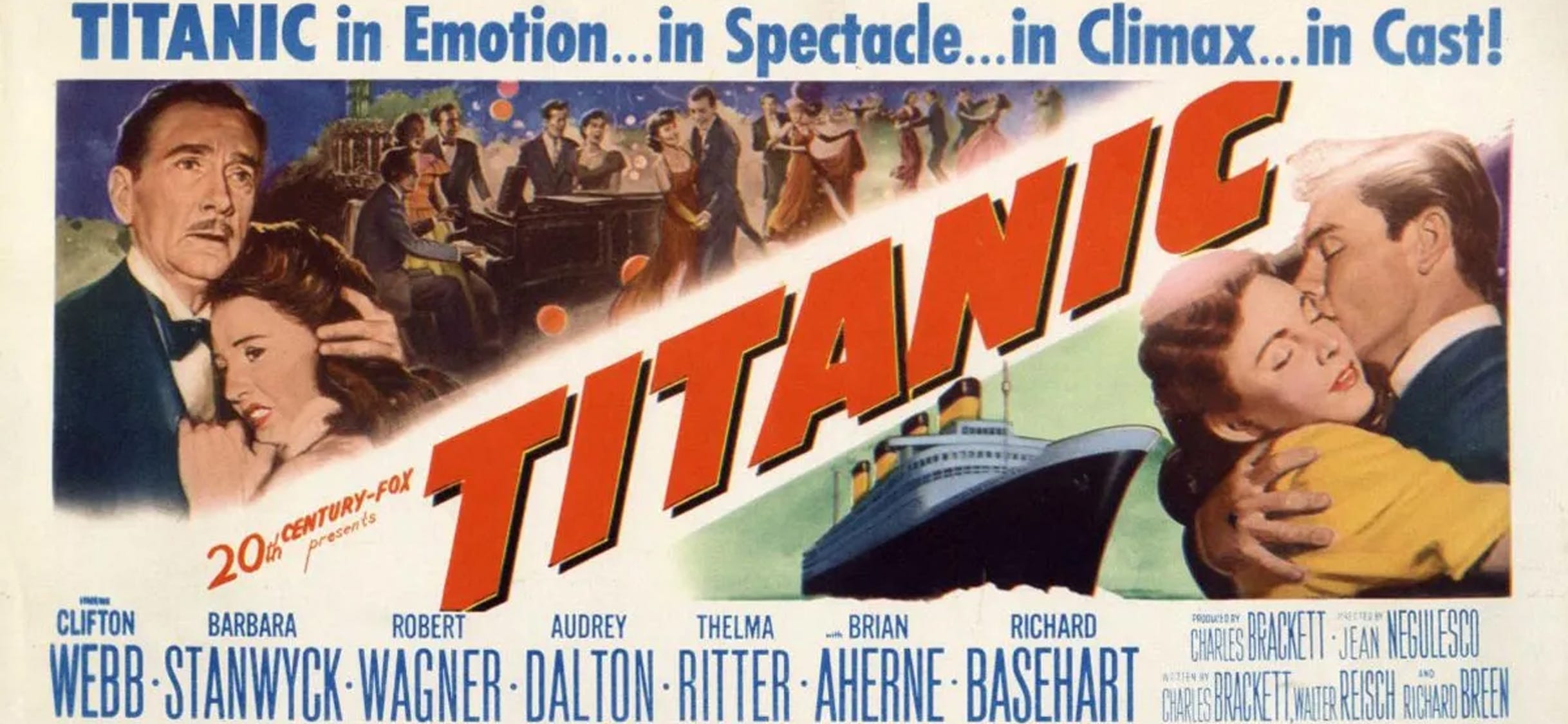
Halfway through 1953’s Titanic, Barbara Stanwyck’s character Julia drops a bombshell on her tuxedoed husband Richard: their preteen son isn’t biologically his. She’d strayed from the marriage one night on a beach after his elite friends mocked her working-class background.
The ship hasn’t even hit the iceberg yet, but we’ve already spent most of the runtime watching an upper-middle-class domestic drama play out against the backdrop of maritime disaster.
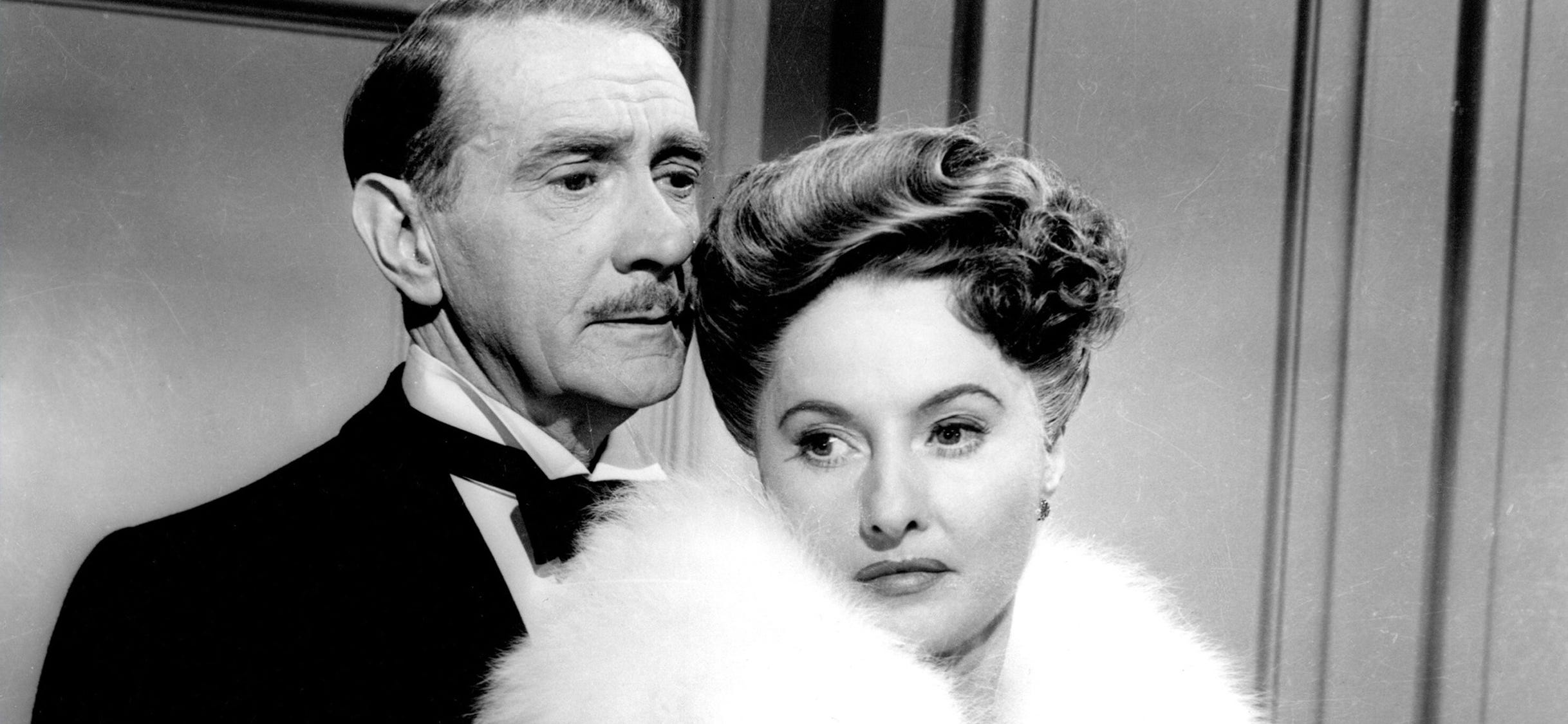
This is Titanic as a vehicle for interpersonal dysfunction, where the world’s most famous shipwreck becomes merely the setting through which a fractured family resolves its tensions. And as a fictionalisation of a sinking that happened just forty years prior at that point in time, this film inadvertently reveals everything about class and gender in both 1912 and 1953, though at times it is a class commentary nobody asked for.
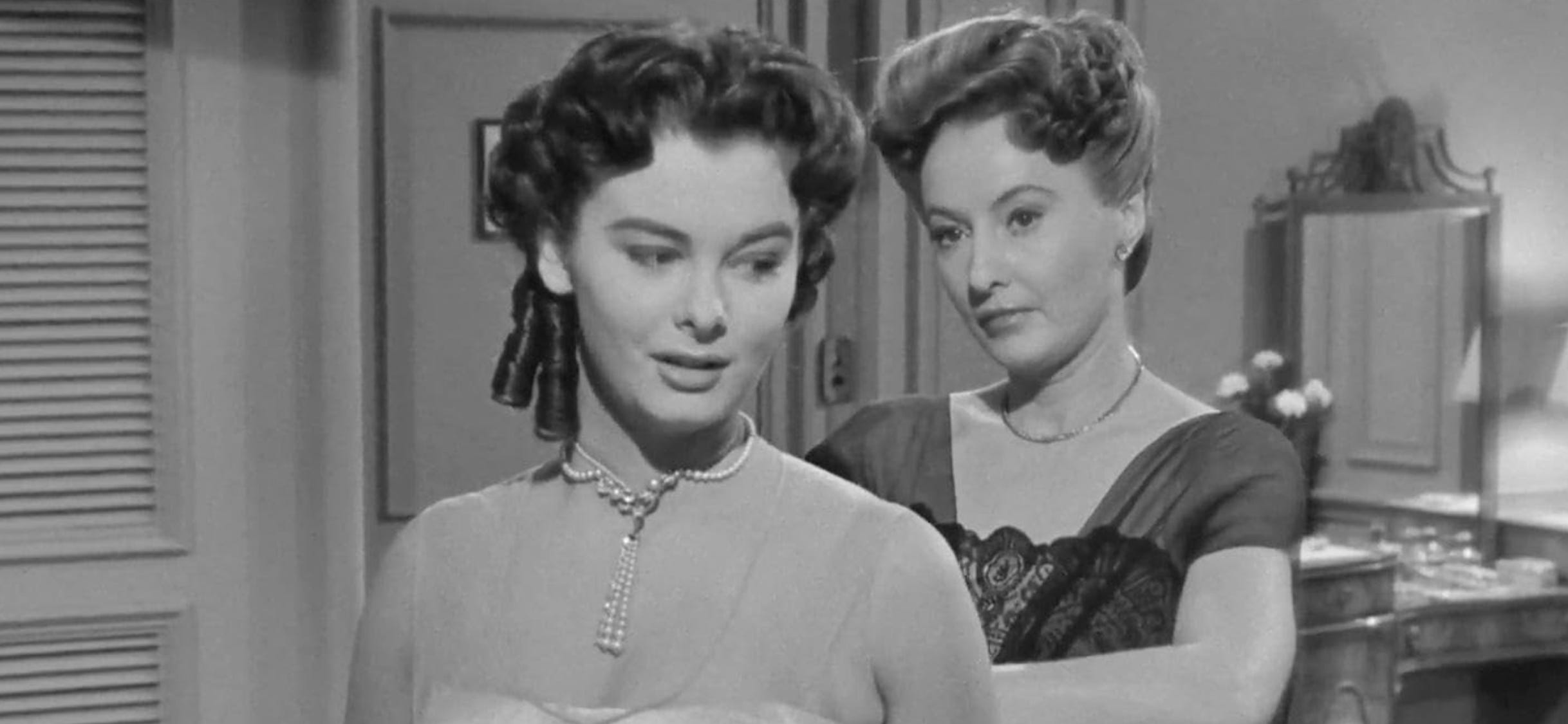
From the opening scenes, class warfare drives every interaction. Richard, played by stoic Hollywood veteran Clifton Webb, has pushed his way aboard by buying a ticket from an immigrant father, tempting him with enough cash to buy coveted California land. He suggests the man “tribal huddle” with his wife to decide – language that makes the film’s perspective painfully clear.
His contempt for his wife’s origins drips from every line as well: “I made the mistake of thinking I could civilise a girl who bought her hat out of a Sears Roebuck catalogue.” He calls the Midwest “the wilderness.” When Julia kidnaps their children to return them to America, away from the European leisure class she’s grown to loathe, Richard sees it as dragging their daughter into squalor.
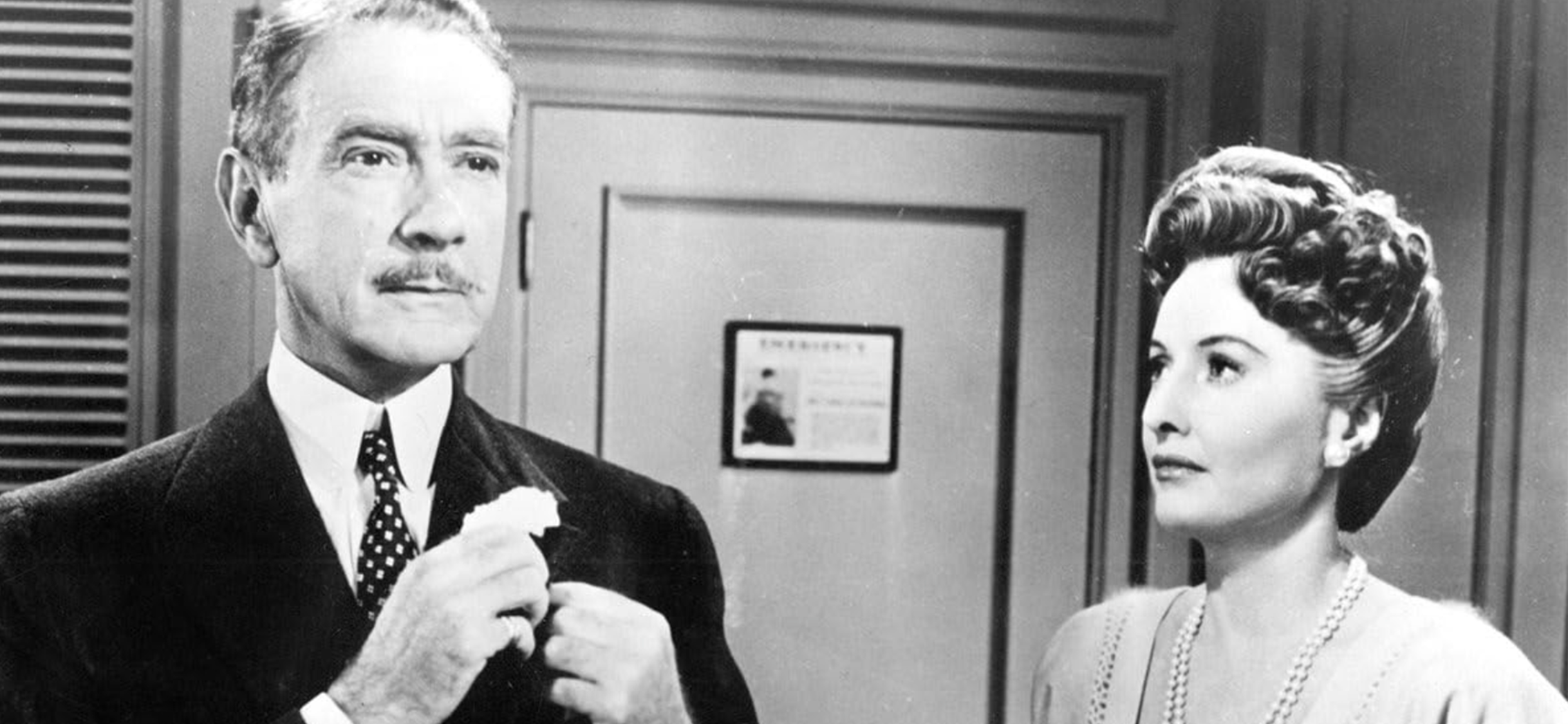
The irony? Webb himself came from middle America – his father was a ticket clerk from an Indiana farming family. His own mother made an aspirational class leap when she moved her “little Webb” to New York at age eleven to pursue theatre. The film’s tension between American simplicity and European opulence wasn’t just character drama; it was personal mythology.
Make no mistake: this is mostly a 1950s melodrama that happens to be set on Titanic. Director Jean Negulesco, known for films like How to Marry a Millionaire, treats the disaster as backdrop rather than subject. The ship’s doomed voyage becomes the crucible for family reconciliation and a return to “American values” after a corrupting sojourn into European decadence.
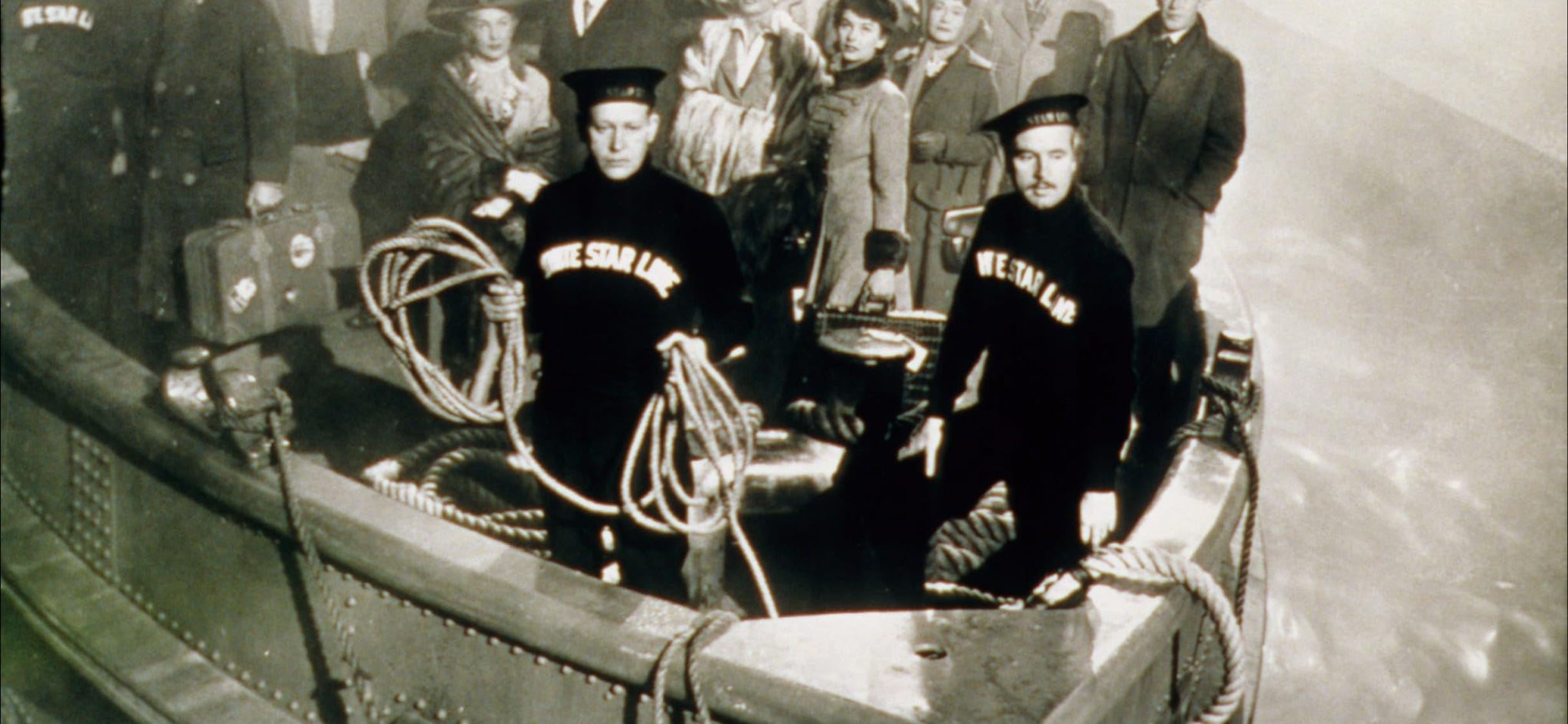
The screenplay won an Academy Award for Best Story and Screenplay (its own category then), shared by Charles Brackett, Richard Breen, and Walter Reisch. The story goes that producer Darryl F. Zanuck called them in and said he had Clifton Webb under contract and access to CinemaScope technology– he wanted something big. The Titanic idea emerged with Webb cast essentially as John Jacob Astor or Benjamin Guggenheim, one of the twenty-five millionaires who died, fictionalised into a whiskey-toting cliche.
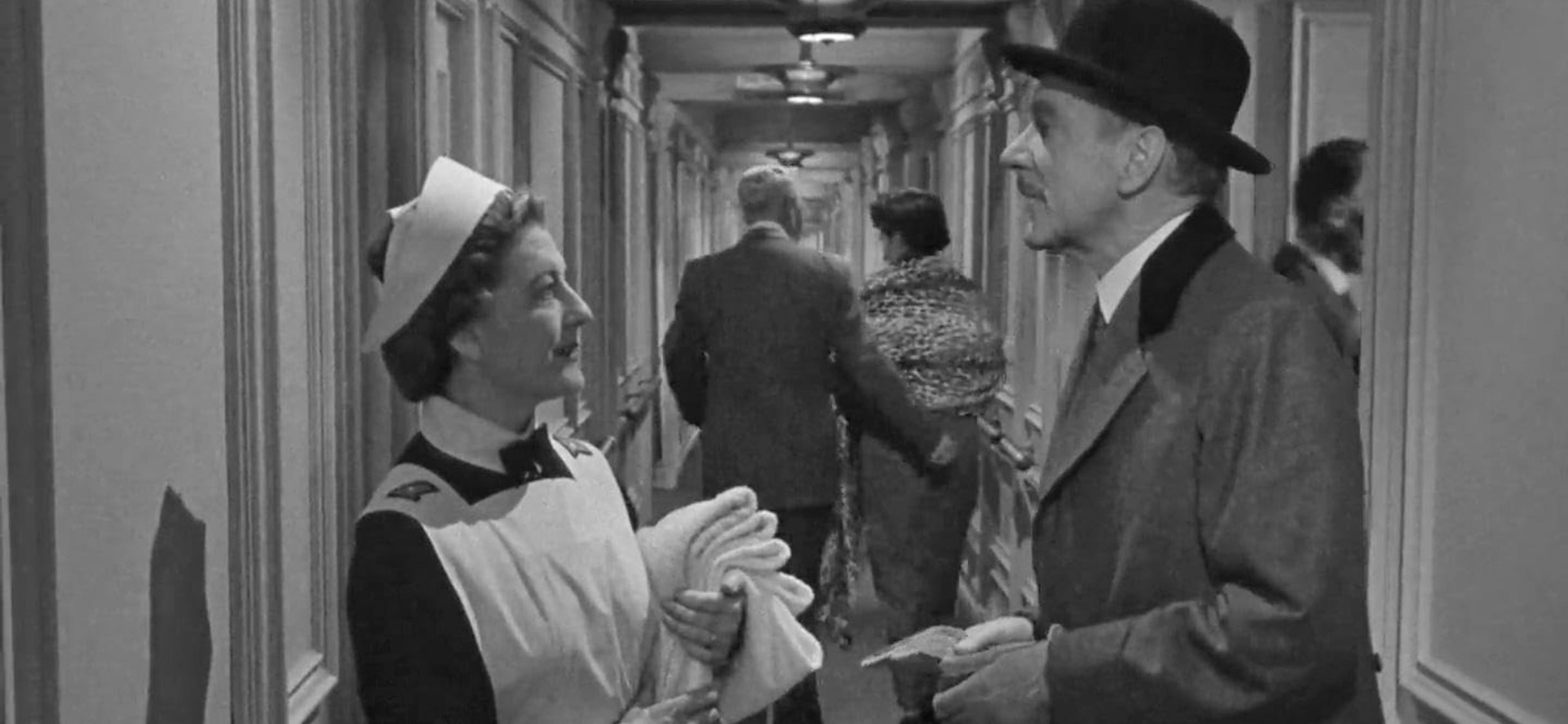
Historical accuracy clearly wasn’t the priority. The film opens with Richard buying that third-class ticket because the ship is “sold out” – except Titanic wasn’t sold out at all. Bruce Ismay is conspicuously absent from the film entirely. There’s a bar on the ship (there wasn’t one). The captain announces they’ll hit icebergs around 8 a.m. (simply what?). At one stage, they considered calling the film Nearer My God to Thee, but let’s not touch the Titanic’s last song debate with a ten-foot pole here today.
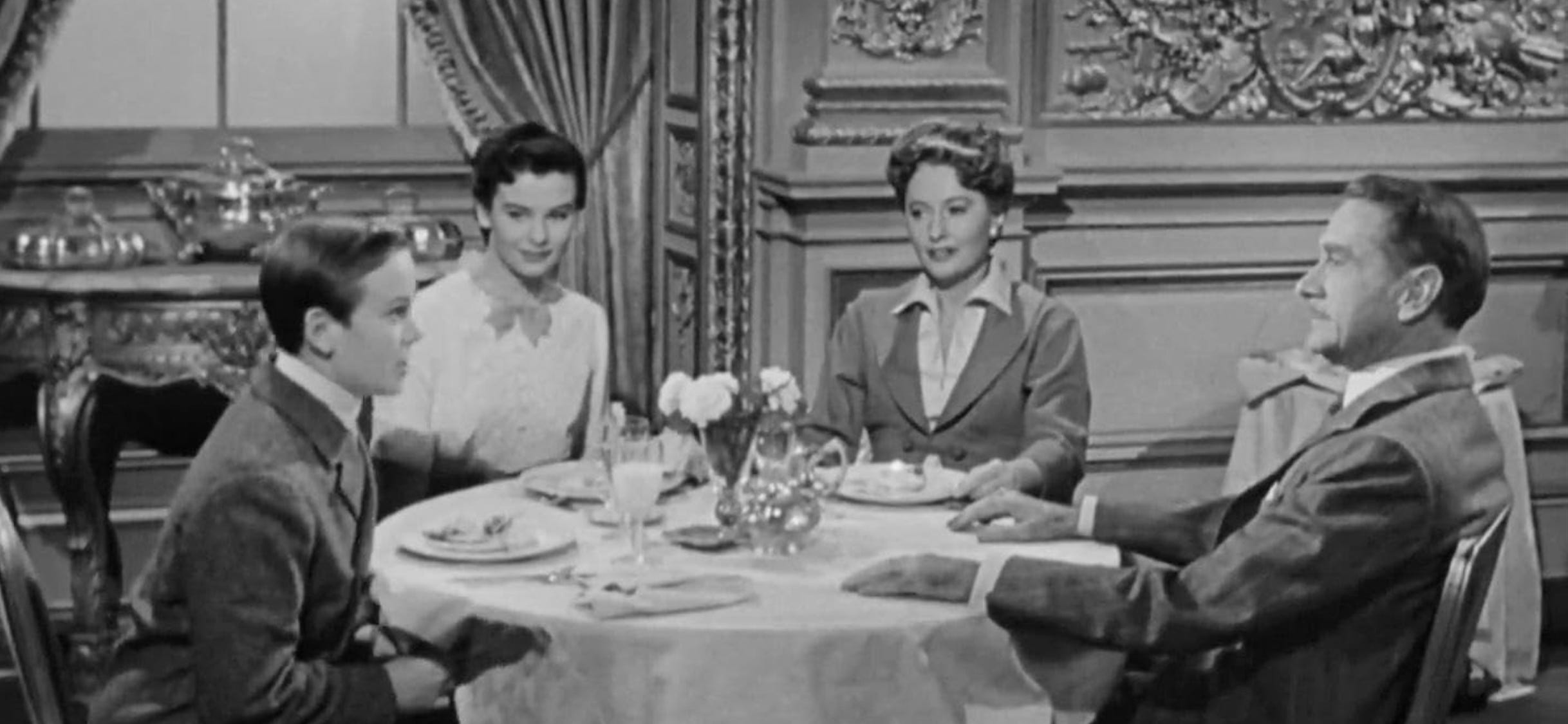
Gender politics are an open wound here too. The 1950s woman had been somewhat liberated by technology, by war work, by independence. This film seems determined to send her right back to Edwardian gender norms. Julia’s entire arc involves rebelling against elite snobbery, kidnapping her children for a simpler American life, only to be reduced to tears and apparent madness in a lifeboat, watching the ship sink. Her feminism – such as it was – evaporates.
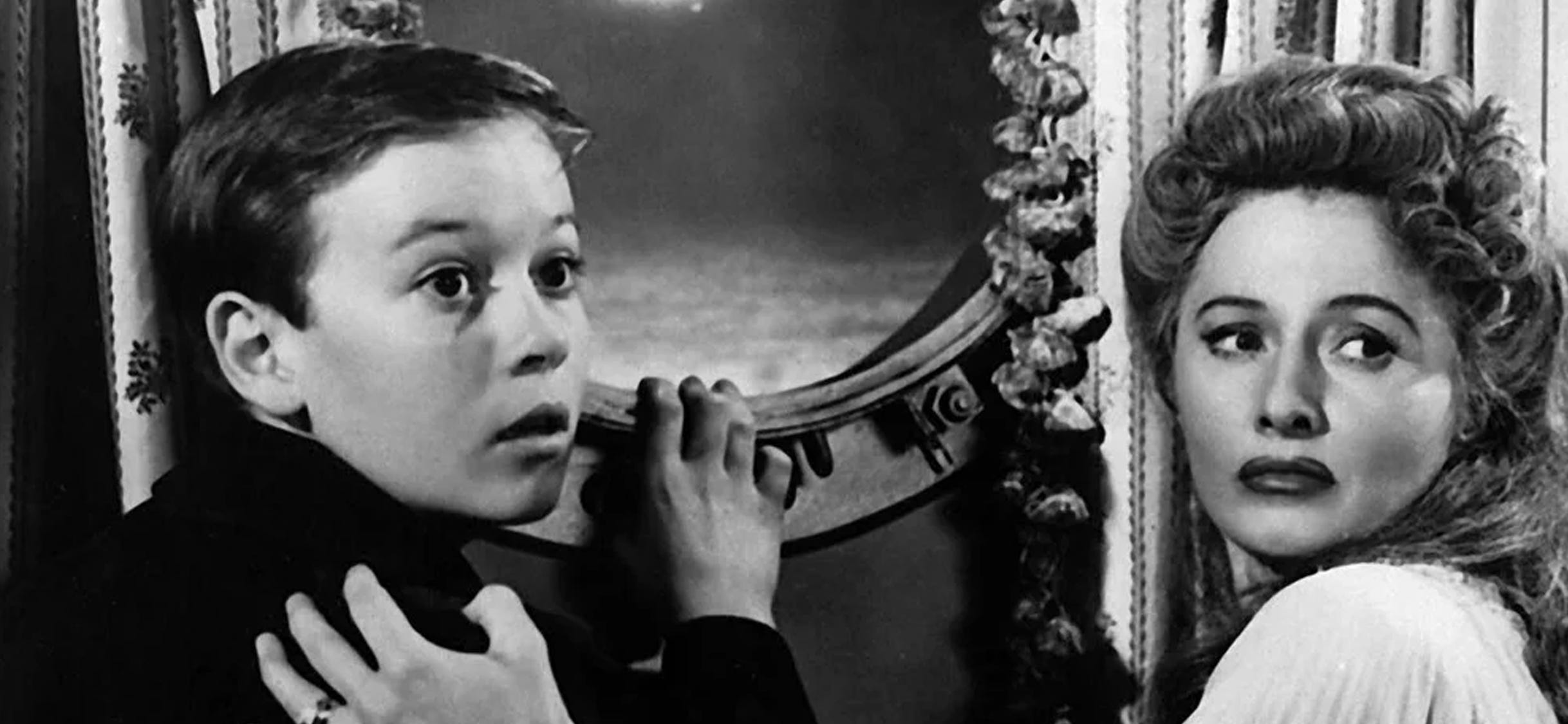
This is notably the opposite of what James Cameron does with Rose in 1997, and the contrast is striking. Where Cameron’s film uses the disaster to liberate his heroine, the 1953 version uses it to put women back in their place. Julia needs Richard to save her and the children. The sinking restores order. She instantly forgets all the reasons she fled from him in the night.
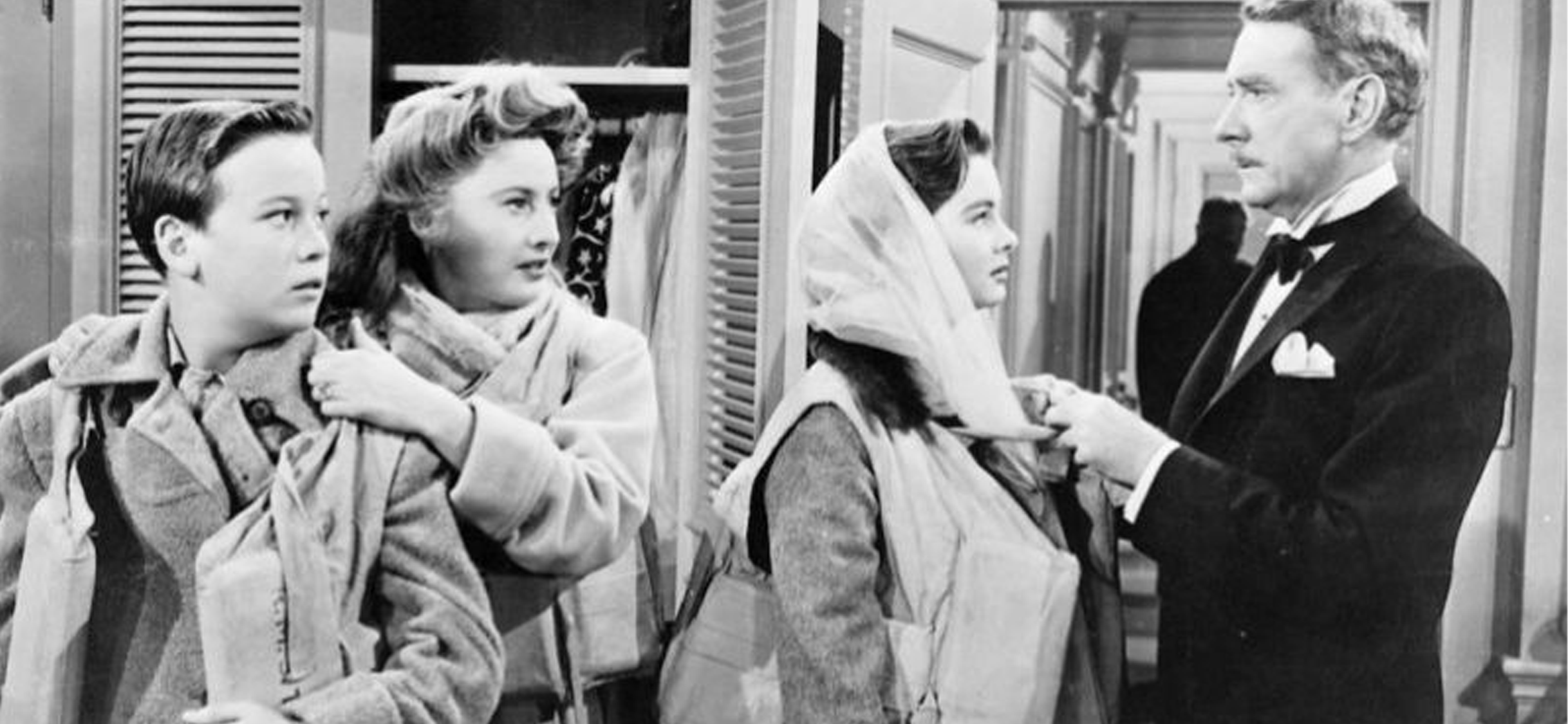
Meanwhile, Thelma Ritter plays Maud Young, an obvious Margaret Brown stand-in, who spends most of the film in the smoking room playing cards with men– something that would never have been allowed on Titanic. When mistaken for someone of lesser class, she proclaims: “I have so many maids, some of the maids are now taking care of the maids.” She’s comic relief in a film that doesn’t quite know what to do with strong women.
The mythmaking around Titanic and gender began immediately in 1912, when anti-feminists employed the imagery of the ship as a “mechanical bride gone rogue.” The suffrage movement was gaining steam, making traditionalists nervous. The film taps into this anxiety forty years later, using male heroism during the disaster to argue for natural gender hierarchy.
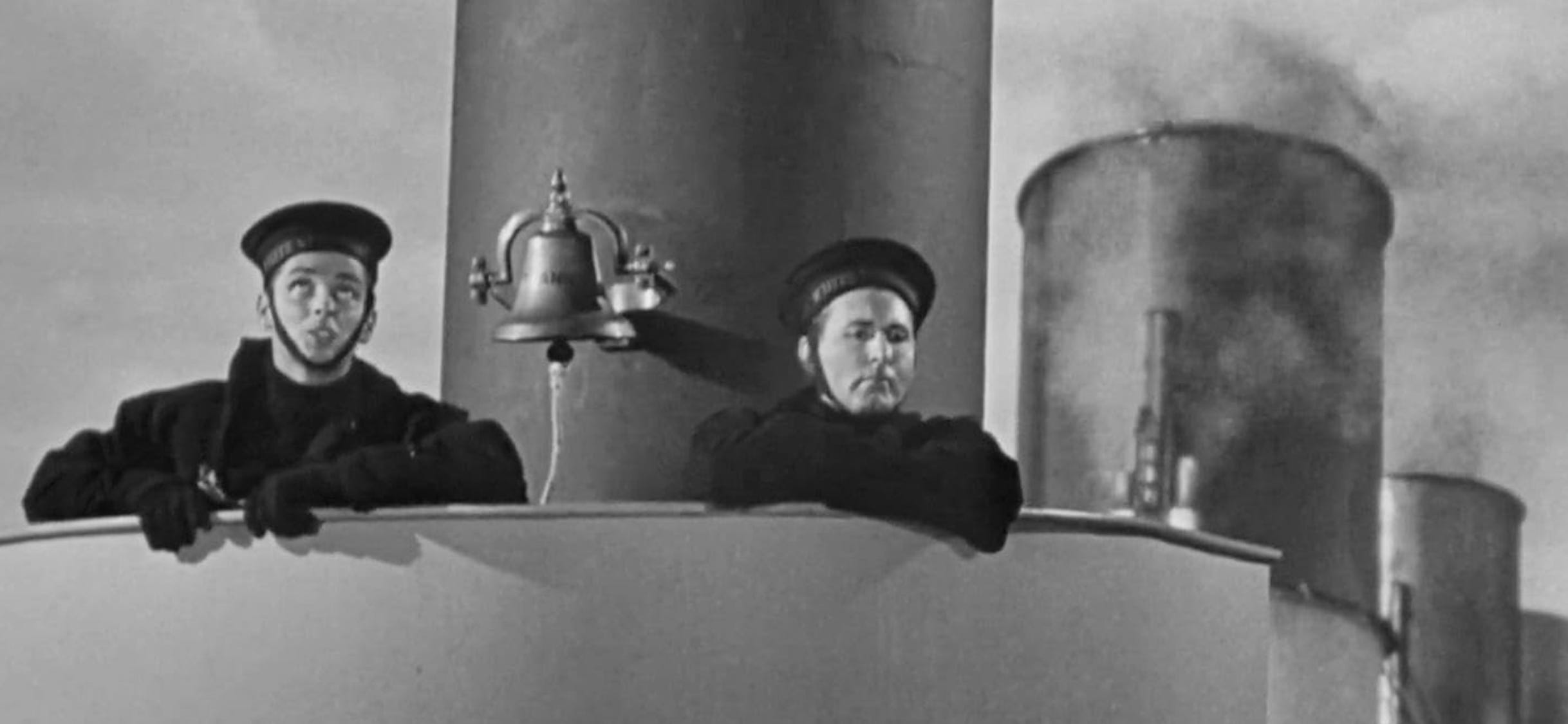
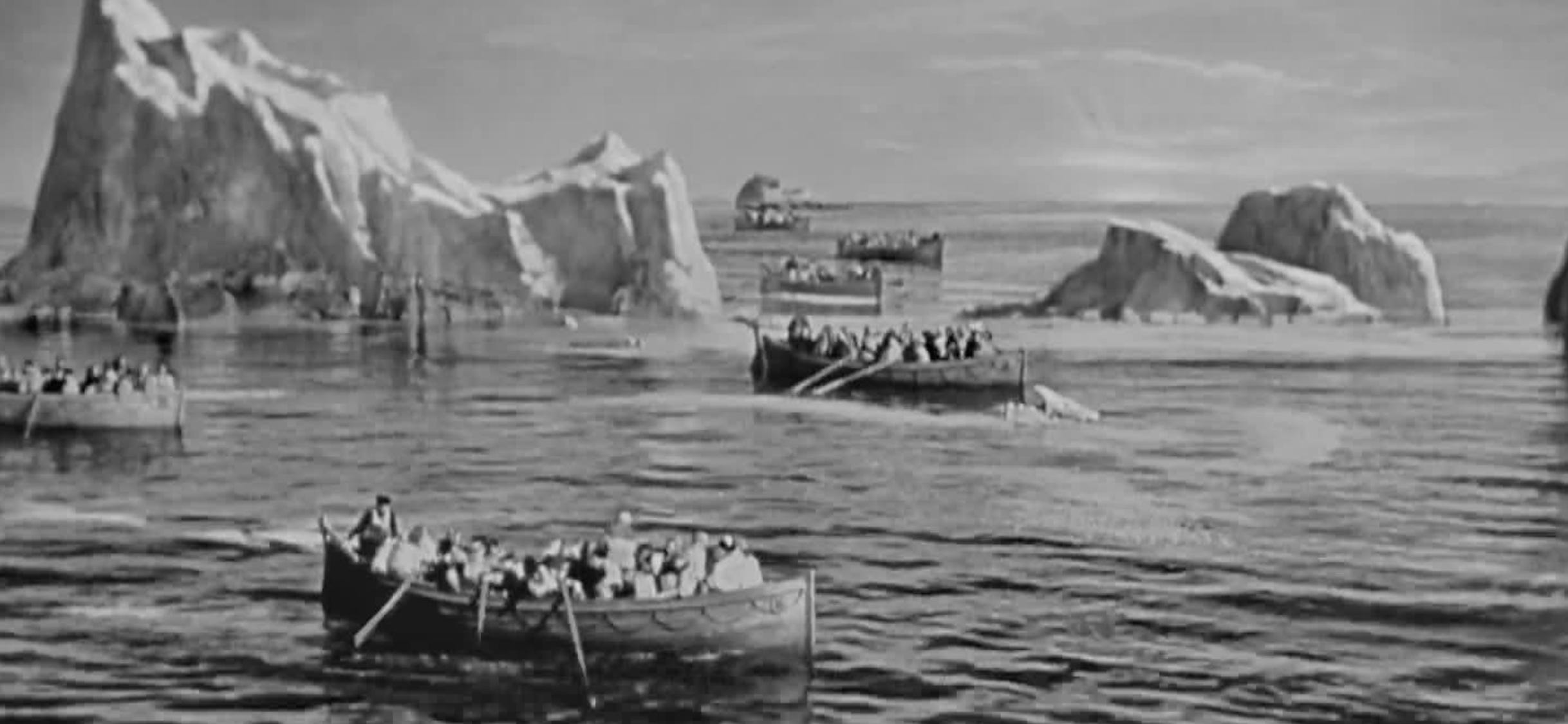
For all its melodramatic excess and historical liberties, the 1953 Titanic does have effective moments. The opening image of an iceberg emerging from the ocean, creaking ominously, conveys genuine dread. The first-class dining saloon, shot in CinemaScope, captures a sense of opulence even if it’s not accurate. The tender scenes at Cherbourg work cinematically, all misty shadows and foreboding.
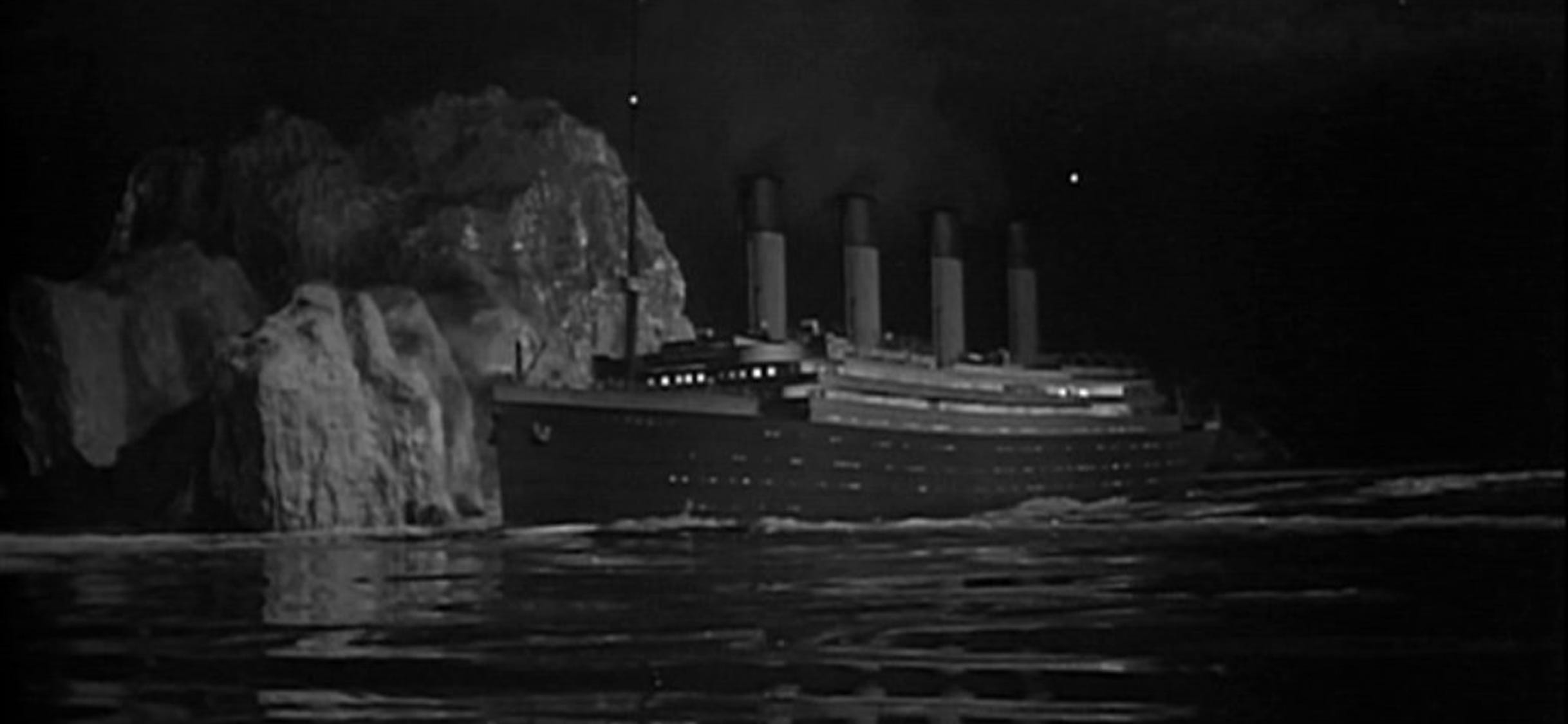
The final loading of the lifeboats is genuinely moving, with no musical score – just the screeching release of steam and chaos of running bodies. Once the men accept their fate (and the film portrays it as only men left on board, which is perhaps the most egregious error), they gather to smoke and sing “Nearer My God to Thee” as a group. It’s as if the ship pauses, sinking long enough for Richard to accept Norman as his son again, for the men to process their own heroism.
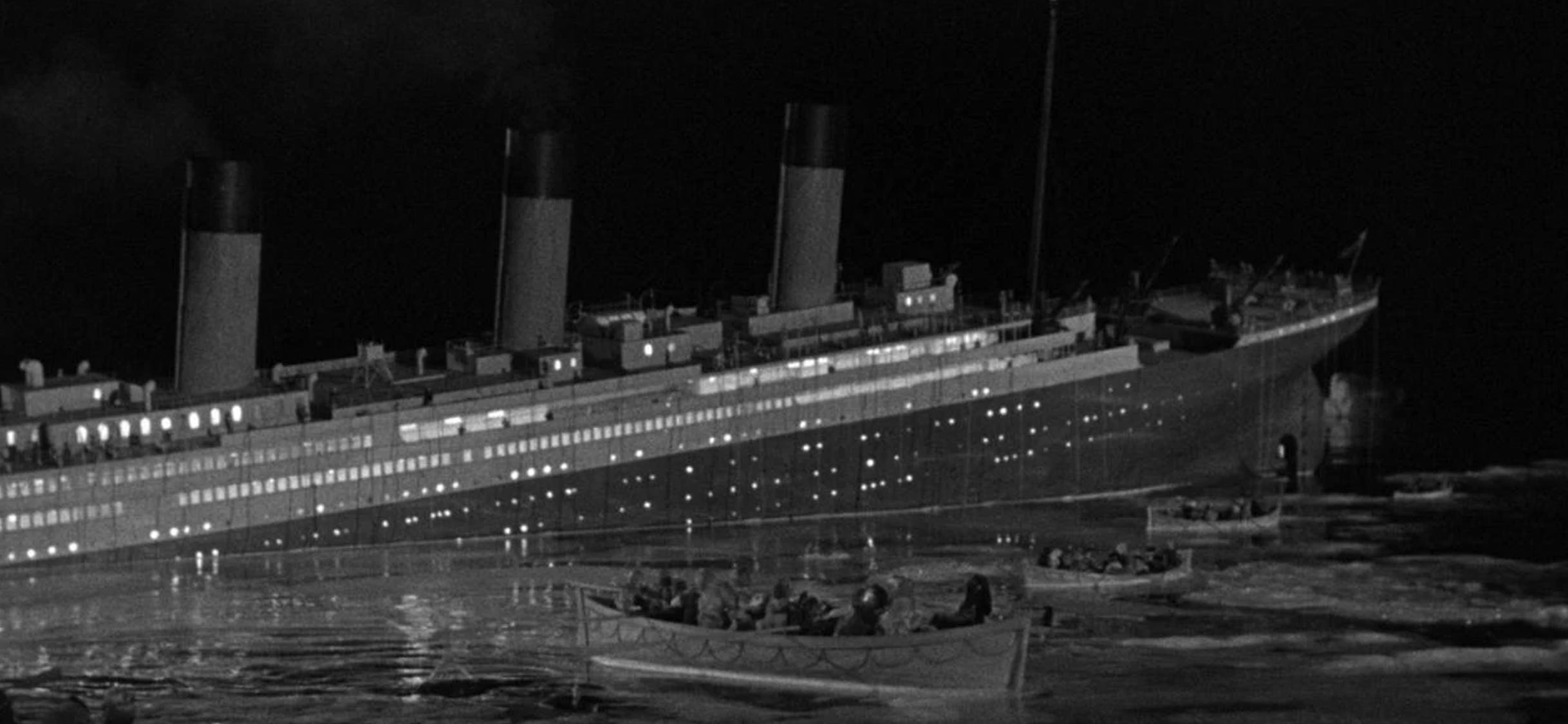
After the immigrant family boards a lifeboat, third-class essentially vanishes from the vessel. The film tries to affirm a classlessness of the middle class – everyone’s fine, heading toward their American dream.
But anyone who tries to tell Titanic stories without addressing class and race is kidding themselves. The White Star Line called Titanic “a great Anglo-Saxon triumph” representing “the preeminence of the Anglo-Saxon race on the ocean.” Officer Lowe notoriously claimed at the Senate inquiry that he fired his weapon because Italian emigrants were “rowdy,” insinuating their race explained their behaviour. Winston Churchill wrote that the disaster showed civilisation was “humane, Christian, and absolutely democratic” – laughably innocent rhetoric that drowned out more realistic voices pointing to greed and inhumanity.
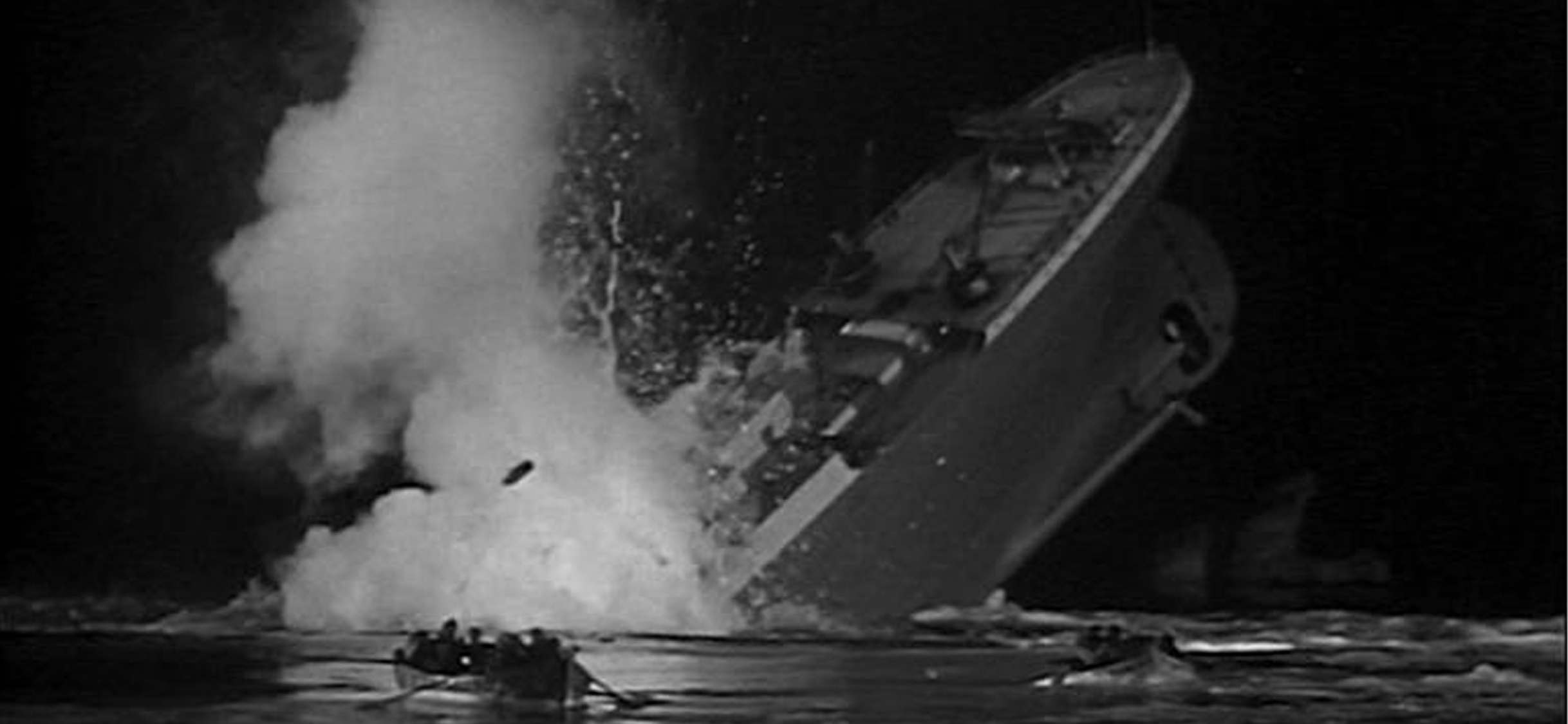
The 1953 film, precisely because it’s so medium and formulaic, reveals how these politics existed plainly within movies of the era. It’s a perfect case study in how melodrama carries ideology, how domestic drama smuggles in larger cultural anxieties about class mobility, gender roles, and national identity.
In 1974, a bizarre Yale School of Drama play parodied this film with increasingly absurd revelations and ending with the son shooting his parents. The strangeness illustrates how much changed in just twenty years – civil rights progress, second-wave feminism, transformed cultural consumption. Richard Sturgis would faint to see such a world. J.J. Astor probably would have too.
That’s the curse and gift of the historian: we create narrative later, moulding and explaining and bending stories in new ways. That’s what this film does with Titanic. That’s what we’re all doing when we revisit it now. And somehow, that makes this insanely mediocre melodrama (mostly) worth the hour and a half.
★★★☆☆
 | A guest post by
|